Home / Mixing / Sigma Mixers & Extruder Discharge
QuantumX · PROC-X MANUFACTURING GROUP
Sigma Mixers & Extruder Discharge
Power through the difficult batch.
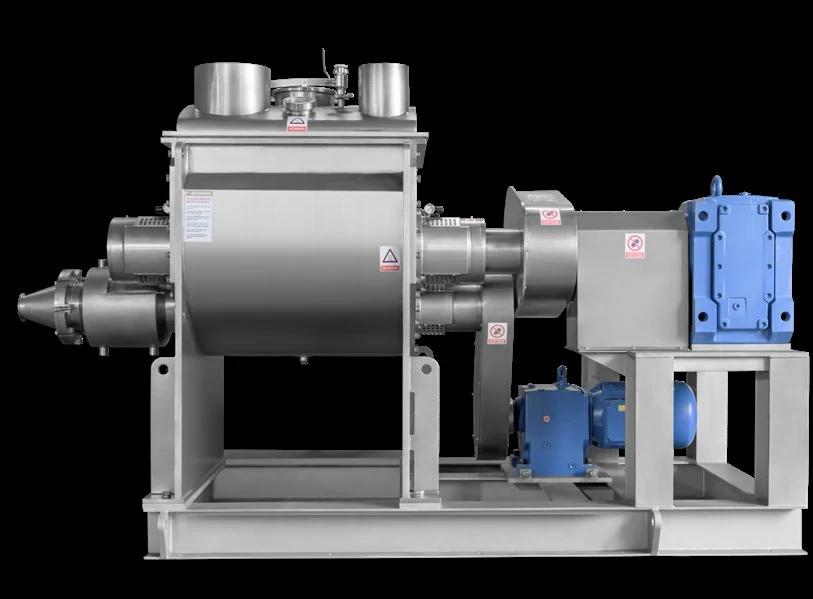
Double-arm kneaders for sticky, high-viscosity compounds—with tilting, bottom-discharge and screw-extruder options to connect mixing with the next process step.
The process, explained.
01
Knead
Two sigma-shaped blades stretch, fold and shear the batch.
02
Condition
Control temperature and, where specified, vacuum.
03
Transfer
Match tilt, valve or screw discharge to product consistency.
How a sigma mixer works
A sigma mixer, also called a double-arm kneader, uses two shaped blades rotating at different speeds to work a viscous batch. Repeated stretching, folding and shearing distributes ingredients through materials that do not circulate like a free-flowing powder. Torque demand and temperature rise must be assessed across the entire recipe.
Technical data and configuration
| Brochure model | Total volume (L) | Working volume (L) | Arm power (kW) | Arm speeds (rpm) |
|---|---|---|---|---|
| PSG-10X | 10 | 6 | 1.5 | 60 / 42 |
| PSG-50X | 50 | 30 | 4 | 42 / 28 |
| PSG-100X | 100 | 60 | 5.5 | 40 / 26 |
| PSG-300X | 300 | 180 | 15 | 33 / 22 |
| PSG-500X | 500 | 300 | 30 | 33 / 22 |
| PSG-750X | 750 | 450 | 37 | 32 / 21 |
Selected PSG-X entries reproduced from PDF page 11. The brochure presents PSG and PSG-X tables; confirm the ordered discharge arrangement and current model nomenclature in the quotation. Listed power is arm power, not total installed system power.
Select around the result.
Why add an extruder discharge?
A screw beneath the trough can transfer sticky or semi-solid material into the next operation. It reduces reliance on manual unloading, but screw geometry, discharge pressure and downstream restrictions need to suit the product. A kneader with extruder discharge should not be confused with a general-purpose continuous compounding extruder.
Applications for high-viscosity mixing
The supplied brochure identifies adhesives, sealants, silicone compounds, resins, chewing gum, doughs, balms and conductive pastes. State viscosity together with measurement conditions, solids loading and the temperature-dependent behavior of the batch. Applications with abrasive or corrosive ingredients also require material and wear review.
Thermal, vacuum and construction options
Heating or cooling can be specified using jackets or coils. Vacuum configurations can support deaeration or, with appropriate heat transfer and vapor handling, drying. The brochure lists stainless steels and application-specific alloys or wear-resistant materials. Select seals, contact surfaces and the recovery system for the actual chemistry.
Specify the whole mixing and discharge cycle
Define the charging sequence, minimum and maximum working fill, viscosity changes, temperature limit and acceptable residual product. For extrusion discharge, provide the downstream connection and required transfer rate. Agree the finished-product acceptance criteria and factory test scope before final design approval.
Go deeper with QuantumX.

Technical brochure and specialist expertise
Explore the supplied brochure, then discuss the configuration with Proc-X or visit the specialist brand website.
These are the original supplied brochures. Some editions contain earlier contact details or model designations. For current project support, use john.paul@procxinc.com or +1 (872) 260-5071; confirm final specifications in your quotation.
Questions engineers ask.
Is a sigma mixer suitable for dry powder blending?
It is primarily intended for viscous, sticky or dough-like materials. Ribbon, ploughshare or fluidized-zone mixers are generally the first geometries to assess for ordinary powder blends.
Can it operate under vacuum?
Vacuum lids, pumps and condensers are available in engineered configurations. State whether the purpose is deaeration, moisture removal or solvent recovery.
What information is needed for a quotation?
Provide batch mass, density, viscosity and temperature conditions, loading sequence, desired discharge method and the downstream connection. Include relevant cleaning and installation requirements.
Compare related technologies.
QuantumX
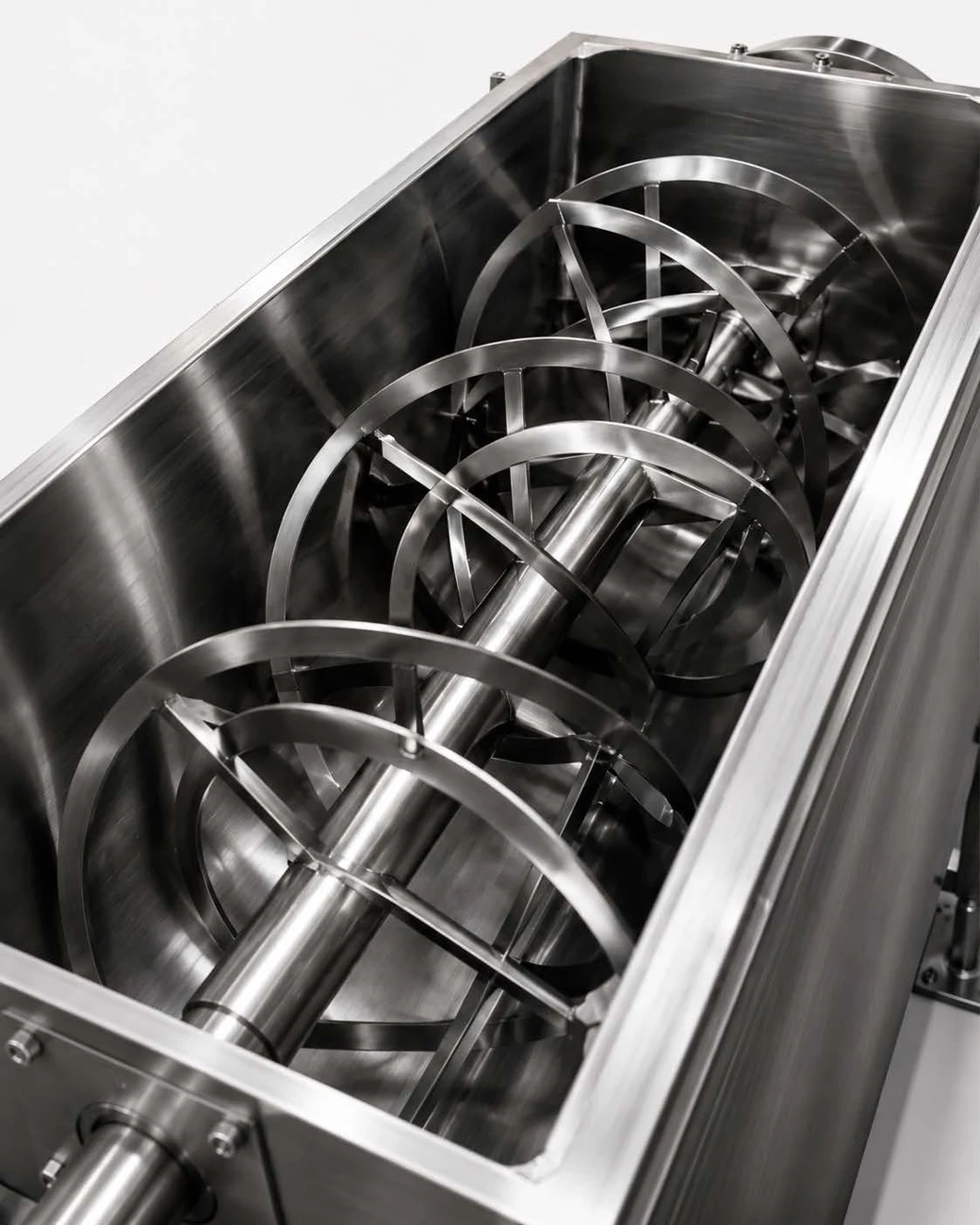
Ribbon Mixers & Blenders
Horizontal and vertical ribbon mixers for powders, granules and selected pastes. Build the blend around your batch size, ingredient behavior and production cycle.
QuantumX
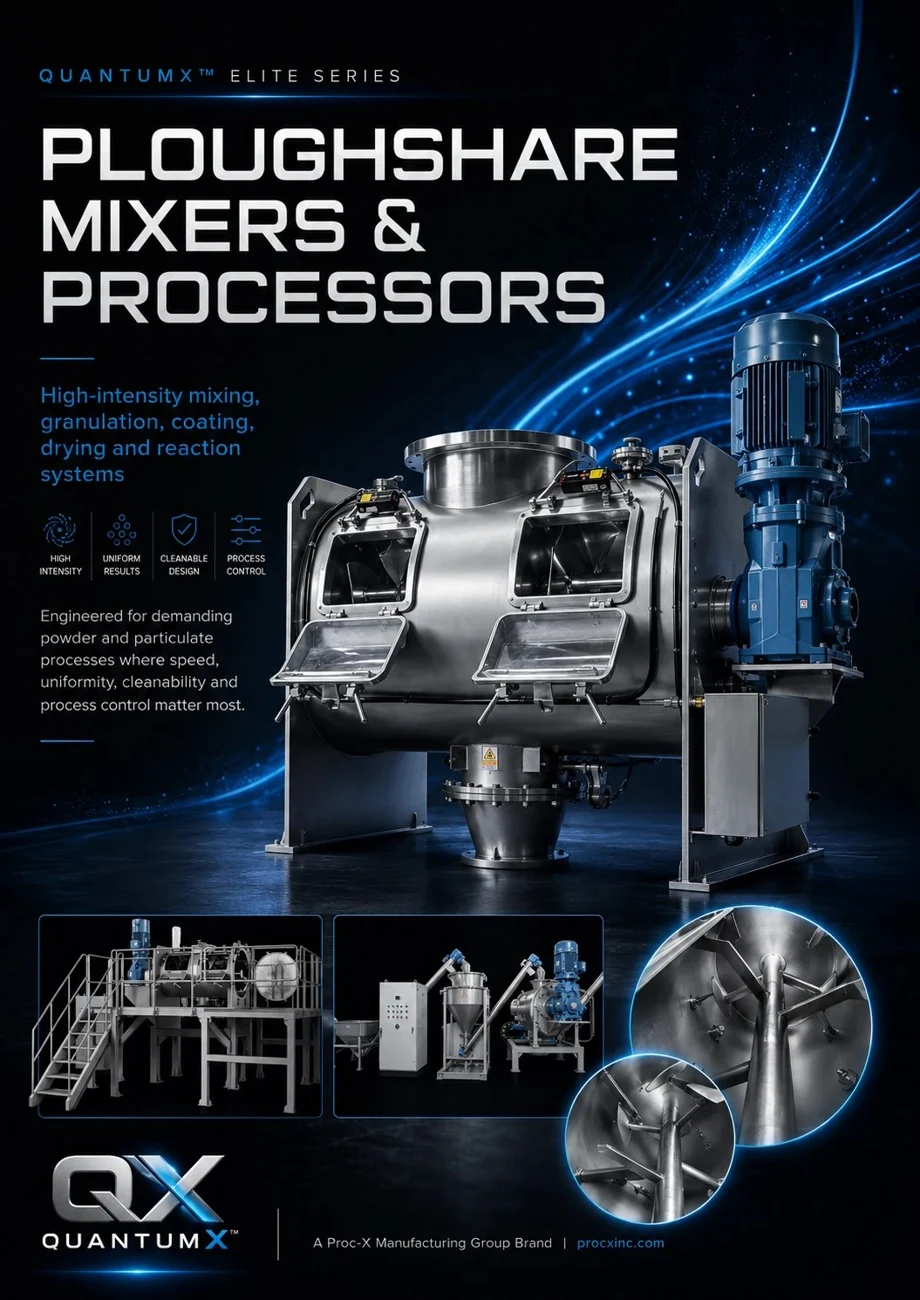
Ploughshare Mixers & Processors
Ploughshare mixers, also called plow mixers, for intensive powder blending, liquid incorporation, coating and granulation—with processor configurations for thermal and vacuum duties.
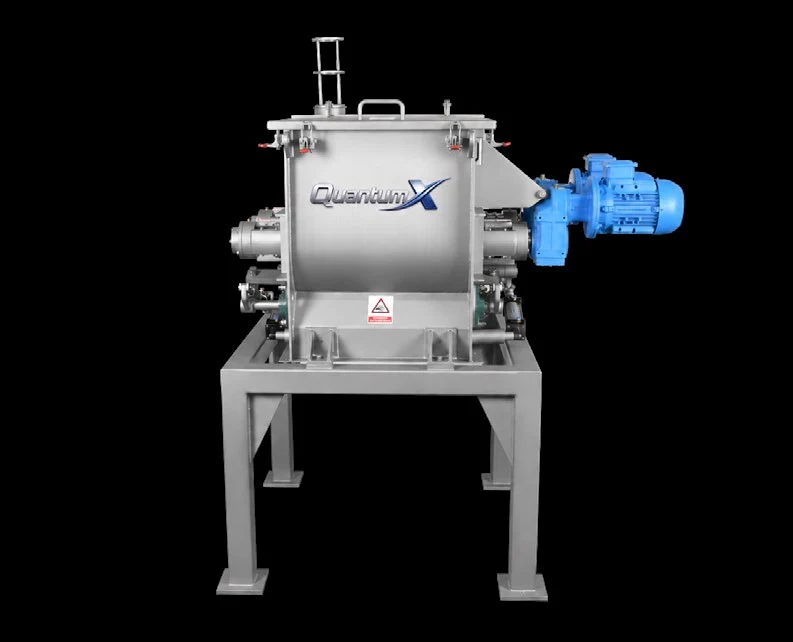
QuantumX
Fluidized Zone Mixers
Single-shaft and twin-shaft fluidized zone mixers for powder blending and selected powder-liquid duties, with vacuum mixer/dryer variants for integrated processing.
Your material writes the specification.
Tell us what you process, the result you need and the capacity you want to achieve. We will help define the next engineering step.