Discarded circuit boards are not just another scrap stream. They are a dense, variable feedstock carrying metals of real value, polymers with different thermal behaviors, glass fiber, flame retardants, and trace hazardous constituents that can quickly turn a recovery line into a compliance and maintenance problem if the system is poorly engineered. That is why pcb board recycling is less about buying isolated machines and more about designing a controlled process that can handle variability without sacrificing safety, throughput, or recovery value.
For manufacturers, recyclers, and processors evaluating this space, the central question is not whether printed circuit boards contain recoverable material. They do. The real question is whether a facility can process them consistently, at commercial scale, and under a level of engineering control that protects both output quality and operating margins.
What makes pcb board recycling technically difficult
Printed circuit boards present a challenging combination of mechanical complexity and material inconsistency. Board assemblies may include copper, gold, silver, palladium, solder alloys, steel, aluminum, resins, laminates, ceramics, and attached components ranging from connectors to capacitors. Feed composition changes by source, product type, age, and pre-processing method.
That variability matters at every stage. Size reduction settings that work for one board mix can over-grind another, creating fines that complicate downstream separation. Excess heat generation during shredding or milling can affect material behavior, dust loading, and fire risk. Magnetic, density-based, eddy current, and air classification steps all depend on a controlled particle size distribution if they are expected to deliver repeatable separation efficiency.
This is where many projects lose performance. A line may include capable individual machines, but if feed conditioning, transfer, dust control, and automation logic are not engineered as one system, the process becomes unstable. Throughput drops. Recovery quality drifts. Operators spend more time managing upset conditions than producing usable recovered fractions.
The process architecture behind effective pcb board recycling
At a high level, pcb board recycling typically starts with feed preparation and primary size reduction, followed by secondary liberation and staged separation. That sounds simple on paper. In practice, each stage has to be matched to the material and to the target outputs.
Feed handling and pre-processing
The first decision is what enters the line. Whole boards, depopulated boards, mixed e-scrap fractions, and production offcuts all behave differently. Upstream manual or automated depopulation can improve recovery economics, but it also changes bulk density, particle shape, and metal concentration. Feed consistency often has more influence on downstream performance than adding another separator later in the process.
A well-designed front end should manage surges, remove obvious contaminants, and meter material at a stable rate. This is not a minor detail. Inconsistent feed presentation affects shredder loading, particle uniformity, and the efficiency of every separation stage that follows.
Size reduction and liberation
Liberation is the point where the process either creates value or destroys it. The objective is to separate metallic and non-metallic constituents enough for downstream recovery, without excessive fines generation, smearing, or thermal damage. Depending on the target fraction and board type, the system may require primary shredding, granulation, and selective milling.
There is always a trade-off here. Finer particle size can improve liberation, but it also increases dust handling requirements and may reduce the effectiveness of some sorting methods. Coarser processing preserves material integrity and reduces dust, but if metals remain bound to resin and glass, recovery rates suffer. The right answer depends on feed composition, separation strategy, and end-market requirements for recovered material.
Separation and fraction recovery
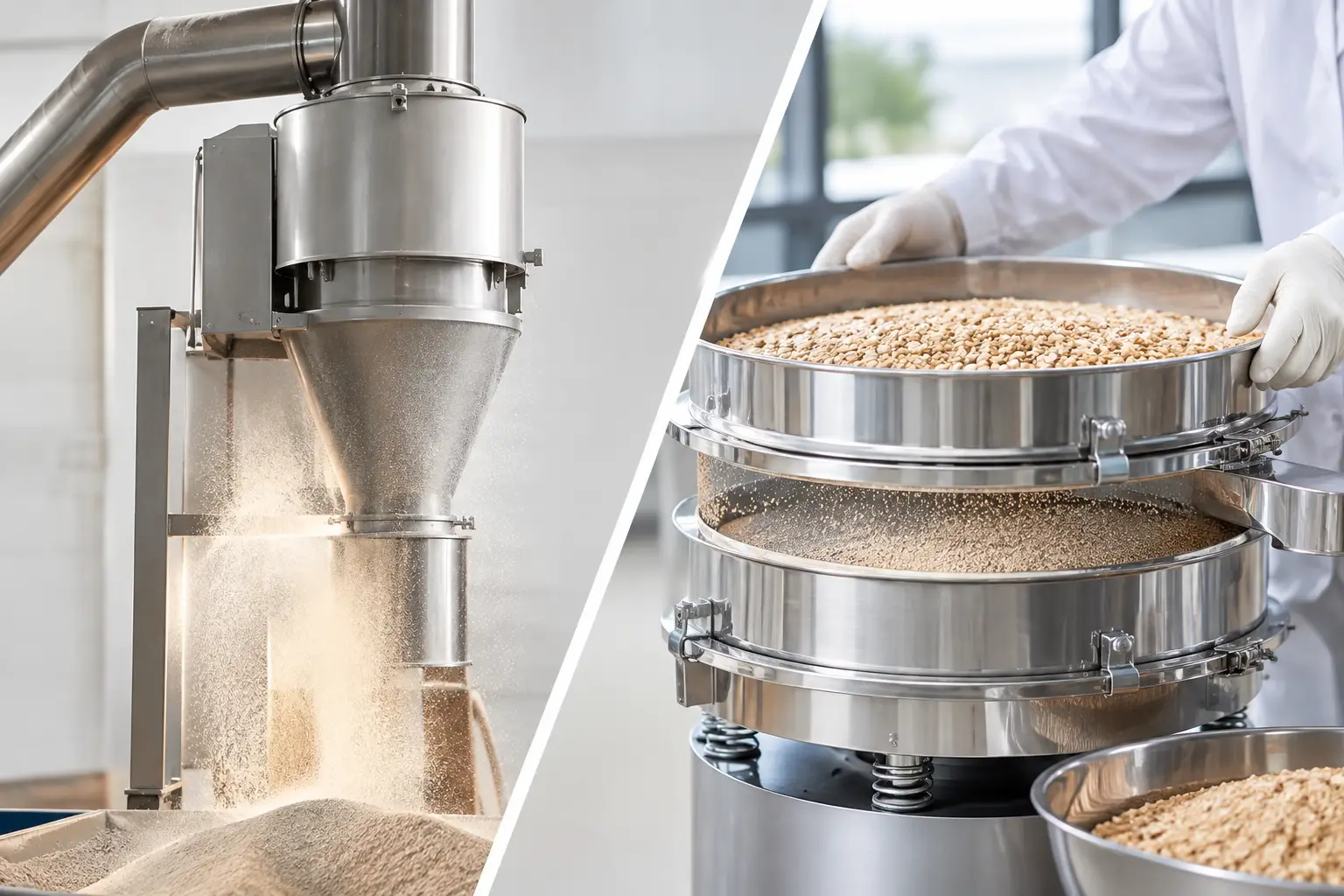
Once material is liberated, the line typically uses a combination of magnetic separation, air classification, screening, density separation, and non-ferrous recovery methods. In some operations, electrostatic separation is applied to improve differentiation between conductive and non-conductive fractions.
No single separator solves the entire problem. The best-performing systems are staged so that each technology does one job well. Ferrous removal reduces wear and improves purity in later steps. Air handling controls light fractions and dust. Screening keeps downstream equipment working within design parameters. Final concentration steps then recover metal-rich fractions with less contamination.
That sequencing is critical. A technically sound machine in the wrong location can lower total line performance.
Thermal management, dust control, and safety are not secondary issues
PCB processing creates fine particulates, frictional heat, and in some cases volatile emissions. Any serious recycling operation has to treat these factors as core design criteria, not bolt-on utilities.
Dust collection must be sized to the actual material load, particle profile, and capture points across the line. Poor dust management affects housekeeping, worker exposure, separator performance, and fire risk. It also drives unplanned maintenance when fines accumulate in transfer points, filters, and process equipment.
Thermal control is equally important. Overheating during shredding or milling can alter polymers, increase odor, create sticky material behavior, and accelerate wear. Depending on feed composition and local regulatory conditions, processors may also need to address fume handling and emission control with more discipline than a basic scrap line would require.
Safety design should account for spark detection, fire suppression, equipment isolation, explosion mitigation where applicable, and controls that respond predictably to upset conditions. In a production environment, reliability and safety are closely linked. A line that frequently plugs, overheats, or cycles unpredictably is not just inefficient. It is harder to operate safely.
Why system integration determines commercial performance
PCB recycling projects often underperform for a familiar reason. Equipment is purchased in pieces, often from multiple suppliers, and expected to function as a coherent process once installed. That approach creates gaps in controls, material transfer, throughput balancing, and accountability.
A shredder supplier may rate capacity on a different feed assumption than the downstream separator supplier. A dust collector may be selected without accounting for real fines generation after secondary milling. Conveying equipment may be sized for nominal throughput, not for surge conditions or particle behavior. None of these issues look major in isolation. Together, they reduce uptime and make the line difficult to stabilize.
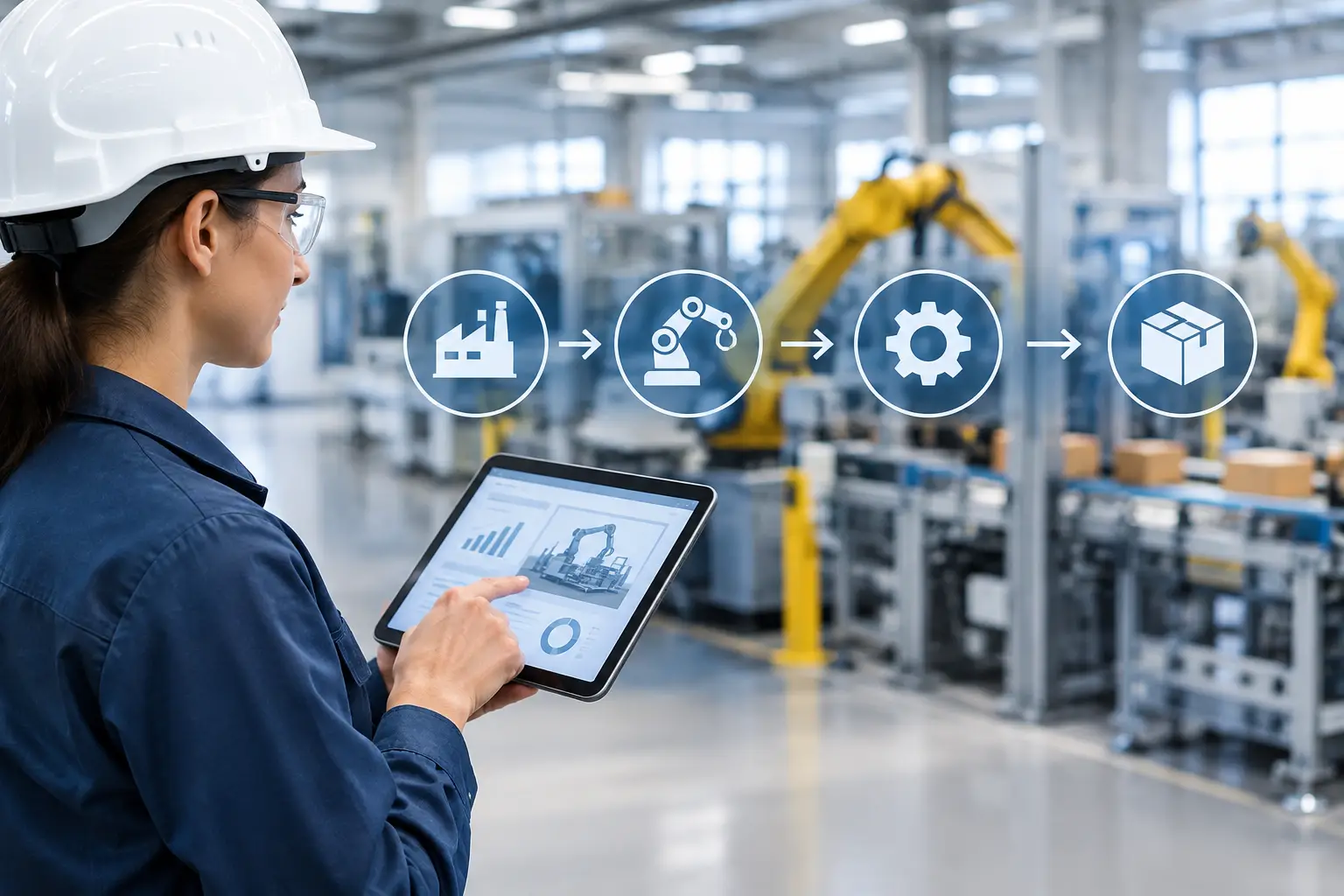
For technical buyers, this is where total system responsibility matters. Integrated engineering allows material flow, machine loading, controls architecture, dust handling, and safety systems to be designed as one production platform. That reduces commissioning risk and improves the odds that the plant will meet throughput and recovery targets under actual operating conditions, not just in equipment brochures.
This is also where an experienced process partner brings value beyond machinery supply. In demanding recycling applications, commercial success depends on how the entire line behaves over time, with real feed variability and real maintenance constraints.
What to evaluate before investing in a pcb board recycling line
The right processing strategy depends on feedstock, target outputs, local regulations, and commercial goals. A line designed to produce concentrated metal-bearing fractions for downstream refining will not look the same as one designed for broader material recovery or internal scrap processing.
Before specifying equipment, decision-makers should define the expected board mix, contamination levels, required throughput, desired liberation range, and acceptable product purity. They should also evaluate utility demands, space constraints, maintenance access, operator skill requirements, and environmental controls. Ignoring those plant-level realities usually leads to redesign after installation, when changes are slower and more expensive.
Pilot testing or process development work is especially valuable here. PCB material behavior can vary enough that assumptions based on adjacent recycling streams do not hold. A smaller test program can identify whether a process should prioritize staged liberation, additional classification, or different separation logic before capital is committed.
It is also worth being direct about economics. Material value can justify investment, but recovery yield alone does not define profitability. Energy use, wear part consumption, dust handling, labor requirements, downtime exposure, and compliance costs all shape the business case. A technically aggressive process that delivers slightly higher recovery but creates chronic maintenance burden may not be the better commercial choice.
A manufacturing mindset for a recycling challenge
The most effective pcb board recycling operations are built with the same discipline used in advanced manufacturing lines. They rely on controlled feed presentation, repeatable unit operations, coordinated automation, and engineering accountability across the system. That mindset matters because the material stream is variable, but the plant still has to perform predictably.
For organizations planning new capacity or modernizing existing lines, the opportunity is real. So is the risk of fragmented design. Whether the application is high-volume electronics recovery, internal production scrap, or specialized material reclamation, the difference between a workable concept and a reliable industrial process usually comes down to integration.
That is the practical test worth applying from the start: not whether each machine can run, but whether the whole system can keep running under the conditions your operation will actually face.