A production line rarely fails because one machine was poorly specified in isolation. Problems usually start at the handoffs – where upstream feed rates do not match downstream capacity, where controls logic was built by different vendors with different assumptions, or where commissioning exposes gaps no one contractually owns. That is exactly why turnkey processing systems matter in high-consequence manufacturing.
For operations leaders and process engineers, the decision is not simply whether to buy equipment. It is whether to accept fragmented responsibility across multiple suppliers or place the full production platform under one coordinated engineering standard. In regulated and performance-driven environments, that distinction affects startup speed, throughput stability, operator adoption, maintenance planning, and long-term cost of ownership.
What turnkey processing systems actually mean
The term gets used loosely, and that creates confusion. A true turnkey processing system is not just a collection of machines sold together. It is a fully engineered production solution designed as one process architecture, with coordinated mechanical integration, automation, material transfer, safety strategy, installation planning, commissioning, and support.
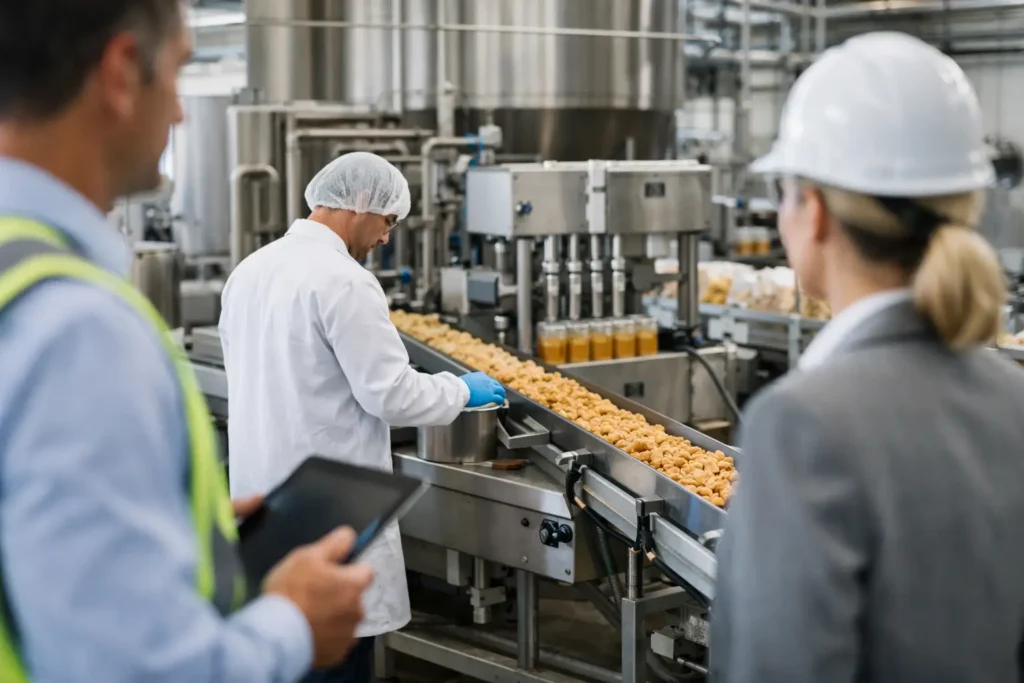
In practice, that means raw material intake, size reduction, mixing, conveying, thermal treatment, extrusion, packaging interfaces, and plant controls are developed to function as a unified line rather than as adjacent assets. The difference is significant. A system can look complete on paper and still perform like a patchwork in the field if each major component was selected, programmed, and installed independently.
The value of turnkey processing systems is not convenience alone. It is accountability. One manufacturer owns system compatibility, line performance assumptions, startup coordination, and post-installation support. For buyers managing capital projects with strict output, quality, and compliance targets, that structure reduces avoidable risk.
Why multi-vendor lines create predictable problems
Many manufacturers have lived through the same pattern. A mixer supplier blames inconsistent feedstock delivery. The conveying vendor points to poor discharge behavior. Controls issues are treated as an integration matter rather than a product issue. Packaging performance drops because upstream density variation was never fully addressed. Everyone participates, but no one is fully accountable.
This is not always a result of poor suppliers. Often, each vendor performs well within its own scope. The failure sits in the spaces between scopes. Capacity assumptions may differ. Utilities may be underestimated. Instrumentation may be duplicated or omitted. Control platforms may require custom translation layers that become hard to support after startup.
Those gaps create real costs. Commissioning takes longer. Operators work around inconsistent behavior instead of running a stable process. Maintenance teams inherit a line with mixed documentation, mixed spare parts strategies, and mixed service contacts. Over time, small integration compromises become recurring production losses.
A turnkey model addresses those issues earlier, before fabrication and installation lock them into the plant.
Where turnkey processing systems deliver measurable value
The strongest case for turnkey processing systems is made during execution, not in a brochure. When one engineering team is responsible for the full line, project coordination becomes tighter because process design, equipment selection, controls architecture, and layout development move together.
That changes several outcomes. Factory acceptance planning can reflect whole-line behavior instead of isolated equipment checks. Site installation sequencing becomes more predictable because interfaces were defined by one source. Controls commissioning moves faster when HMI structure, PLC logic, alarms, and interlocks were designed around the entire process rather than stitched together later.
There is also a direct operating benefit. Integrated systems are generally easier to optimize because the original design already accounts for flow balance, residence time, thermal load, transfer rates, dust management, sanitation or containment requirements, and packaging synchronization. Instead of treating process instability as an unavoidable startup phase, teams can work from a line built to behave as a system.
For procurement and plant leadership, unified warranty and service support matter as much as engineering integration. One point of accountability simplifies escalation, root cause analysis, and ongoing lifecycle planning.
Turnkey processing systems are not one-size-fits-all
Not every facility needs the same level of integration. That is where technical judgment matters.
If a plant is replacing a single bottleneck machine inside an otherwise stable line, a standalone purchase may be the right move. If the process is mature, internal engineering resources are strong, and the plant has proven standards for controls and validation, a multi-vendor approach can work.
But the risk profile changes when a project includes multiple core process steps, significant automation requirements, new product formats, regulatory constraints, or aggressive startup timelines. In those cases, the line is only as strong as its integration strategy. The more complex the process, the less sense it makes to spread responsibility across disconnected suppliers.
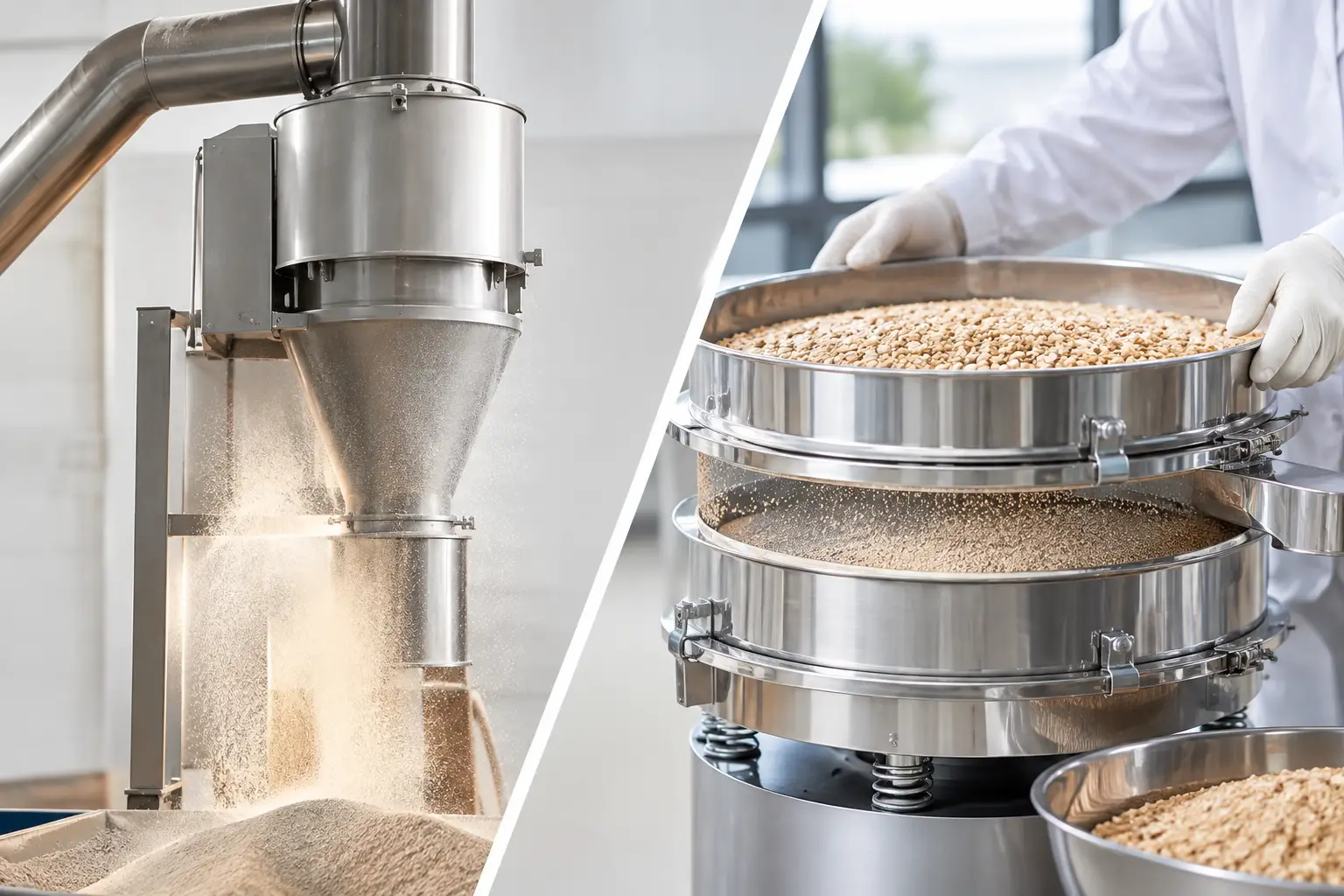
This is especially true in applications where material behavior is variable or difficult to control. Powder handling, thermal processing, extrusion, blending accuracy, hygienic design, containment, and packaging integration all create interdependencies that are hard to solve after equipment arrives on site.
What to evaluate before selecting a turnkey partner
The right question is not whether a supplier can build each machine category. The real question is whether the company can engineer, integrate, and support the line as one performance system.
Start with process ownership. A credible turnkey partner should understand the full sequence from raw material entry through final discharge or packaging handoff. That includes throughput assumptions, product behavior, utility requirements, controls logic, operator interaction, maintenance access, and safety integration.
Next, evaluate engineering standardization. If the supplier is assembling products from unrelated sources without common controls architecture, documentation standards, and project management discipline, the system may still carry the same coordination risk as a conventional multi-vendor buy. A turnkey offering only works when integration is built into the business model, not added as a sales label.
Then look at commissioning and lifecycle support. Startup support should cover full-line functionality, not just equipment activation. Aftermarket service should be able to address system performance, not only individual component failures. This is where a true single-source partner separates itself from a reseller or project broker.
For global manufacturers, scalability also matters. A system should be designed with future line extensions, recipe changes, capacity increases, and plant standardization in mind. Short-term fit is not enough if the platform becomes difficult to expand in two years.
The operational case for one point of accountability
Capital projects are often evaluated on purchase price, but line performance is shaped by execution quality over months and years. That includes startup duration, deviation resolution, spare parts planning, training quality, controls support, and the ability to sustain process consistency under real production conditions.
One point of accountability reduces friction across all of those phases. It shortens communication paths. It limits dispute cycles. It gives plant teams a clearer route to problem resolution because responsibility for system behavior is not split across multiple organizations.
That structure also supports better process improvement after installation. When the same partner understands the original design intent, controls architecture, and equipment interaction, optimization work tends to move faster and with fewer assumptions. The plant is not re-explaining the line to a new supplier each time performance needs to be improved.
For companies operating in food, pharmaceutical, chemical, advanced material, or other high-specification environments, that matters. Throughput is important, but repeatability, control, and documented system behavior are often even more critical.
A strategic decision, not just a sourcing choice
Turnkey processing systems should be viewed as a risk management and performance strategy, not simply a packaging of equipment under one contract. The more demanding the process environment, the more valuable integrated responsibility becomes.
That does not mean every project should default to a turnkey model. It means technical buyers should be honest about where complexity lives. If line success depends on tightly coordinated process steps, shared controls logic, reliable material transfer, and fast startup, then fragmented sourcing often creates more cost than it saves.
The manufacturers that execute these projects well tend to make one decision early: they choose whether they want to manage suppliers or manage production outcomes. Companies such as Proc-X are built around the second path – one manufacturer, one engineering standard, and one accountable partner for the complete system.
When a production line has to perform as designed, not just arrive as specified, integration stops being a feature and becomes the foundation of the investment. That is the point where turnkey processing systems move from attractive option to operational necessity.