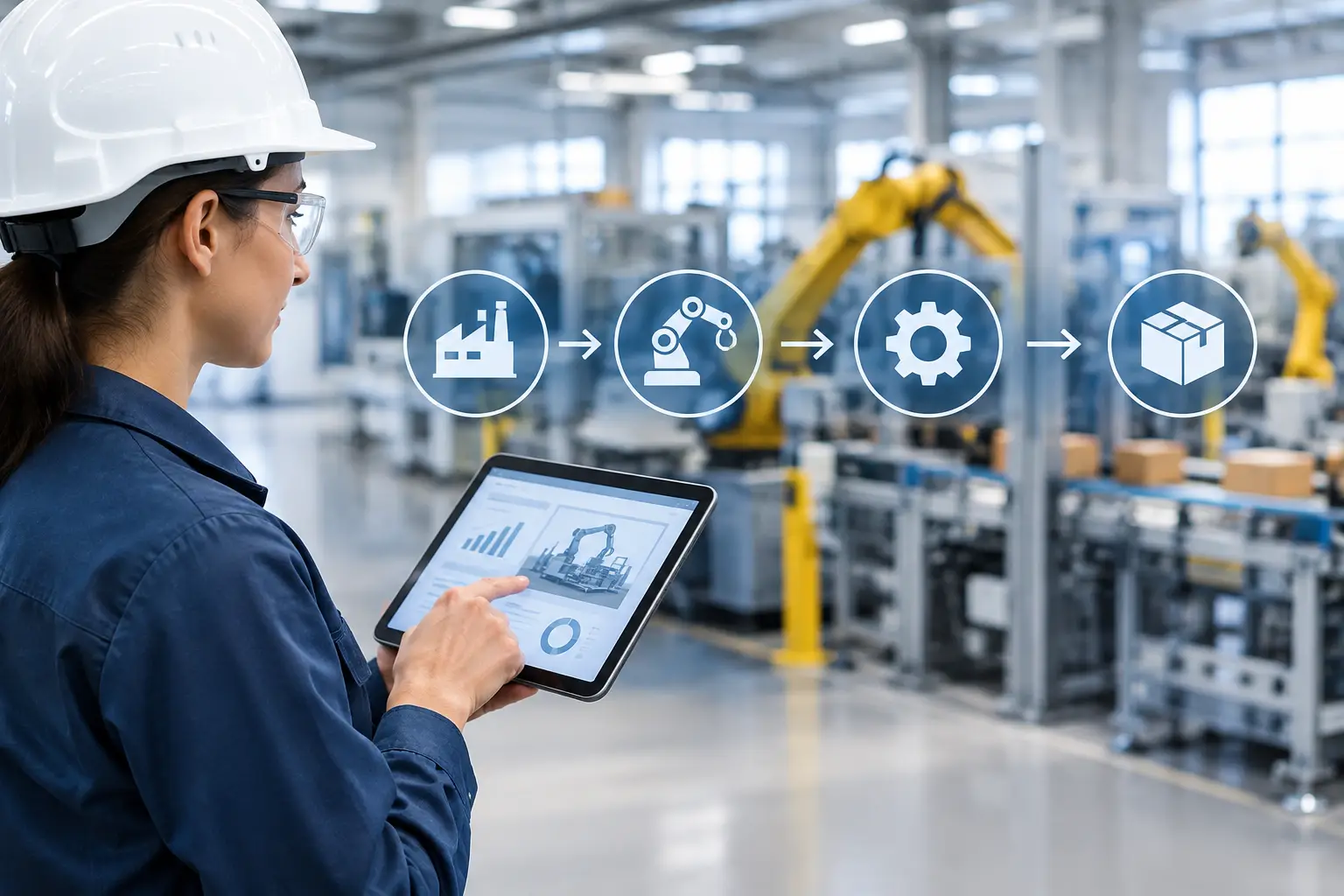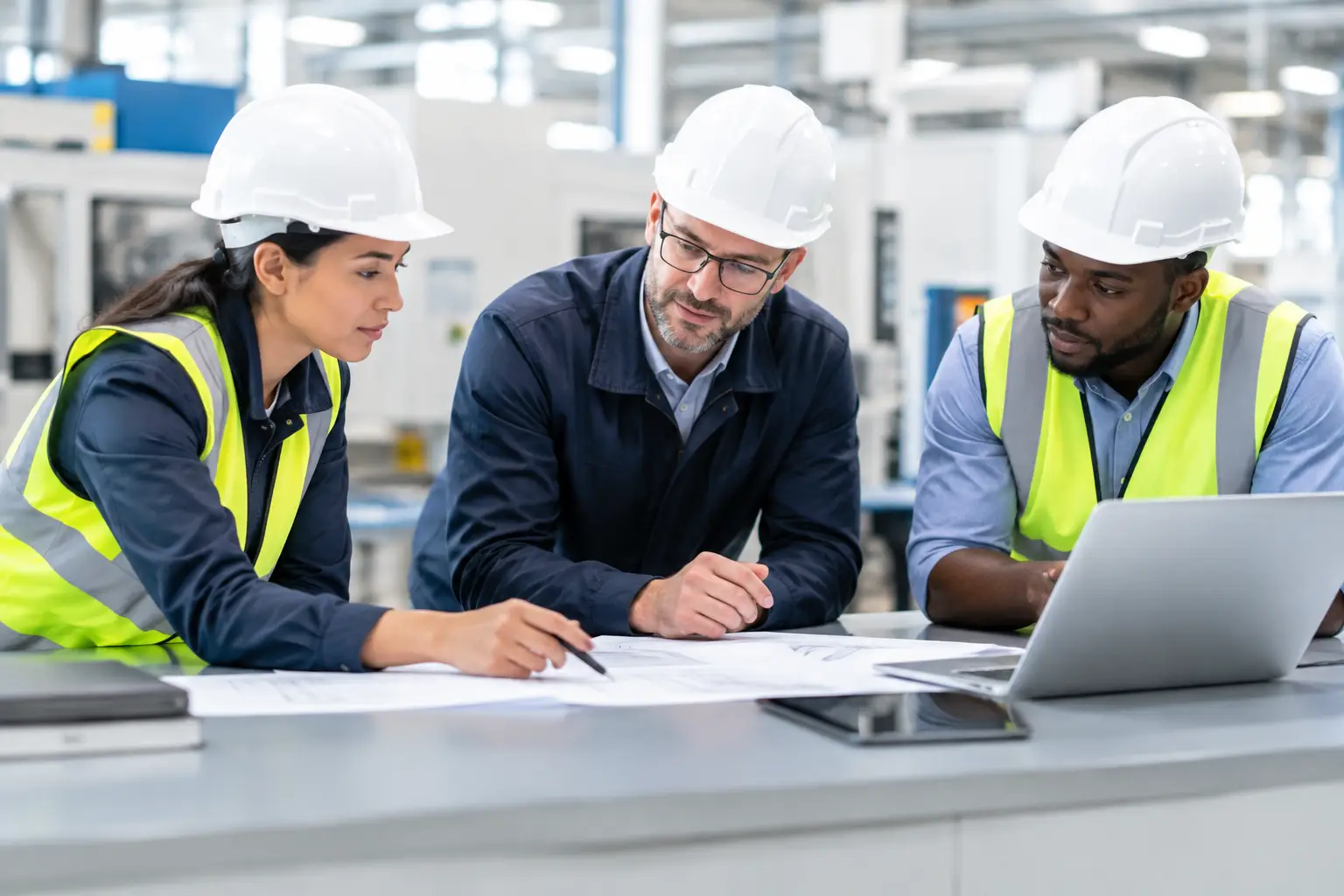
A production line rarely fails because one machine cannot run. It fails because the system around that machine was never engineered to run as one. When material flow, controls logic, thermal load, upstream feed consistency, and downstream packaging timing are treated as separate decisions, the result is predictable – unstable throughput, extended commissioning, quality variation, and a long list of vendors pointing in different directions. That is why integrated manufacturing line solutions matter in demanding production environments.
For manufacturers operating in regulated, high-throughput, or process-sensitive sectors, integration is not a convenience feature. It is a risk-control strategy. A fully engineered line aligns equipment selection, process design, controls architecture, utilities, installation planning, and lifecycle support under one coordinated standard. The practical benefit is straightforward: fewer compatibility gaps at startup, clearer accountability during operation, and a production system designed to perform as a complete process rather than a collection of assets.
What integrated manufacturing line solutions actually mean
The phrase gets used loosely, but in practice it should mean much more than placing multiple machines in sequence. True integration begins at the process level. Raw material receiving, size reduction, batching, mixing, extrusion, thermal treatment, bulk transfer, and packaging must be designed around the behavior of the product and the commercial targets of the plant.
That distinction matters. A line can look complete on a layout drawing and still perform poorly if residence times are mismatched, transfer systems damage material characteristics, or control strategies do not account for variability across the process. Integrated manufacturing line solutions are built around coordinated engineering decisions. Mechanical systems, automation, instrumentation, sanitation requirements, operator interaction, maintenance access, and future expansion all need to be resolved as part of one design intent.
For operations leaders, the advantage is not only technical cohesion. It is also organizational clarity. One manufacturer. One engineering standard. One point of accountability.
Why fragmented lines create expensive problems
Most production issues tied to line performance do not originate with equipment quality alone. They originate with integration gaps. A feeder may be correctly sized, but if the downstream process cannot tolerate feed variability, the line still underperforms. An extruder may achieve its rated output, but if upstream blending is inconsistent or downstream cooling is undersized, output becomes irrelevant.
This is where multi-vendor projects often create avoidable cost. Each supplier can optimize its own scope while no one owns total system behavior. Controls are patched together across different philosophies. Utility requirements are discovered late. Commissioning becomes a sequence of handoffs instead of a managed startup plan. Spare parts strategies become fragmented. Service response depends on who believes the issue belongs to them.
For procurement teams, a fragmented approach can appear competitive at the purchase stage. In reality, the lowest line-item cost may introduce the highest execution risk. Delayed startup, change orders, integration rework, and prolonged troubleshooting can erase any initial savings quickly.
The operating case for a single-source system partner
A single-source partner changes the economics of a line project because system responsibility is defined up front. Engineering standards are coordinated across the line. Controls architecture is developed as one platform rather than assembled from multiple vendor conventions. Equipment interfaces are validated before installation instead of corrected during commissioning.
That affects more than startup speed. It improves line predictability over time. Operators work within a consistent control environment. Maintenance teams support a more rational set of components and documentation. Process engineers can troubleshoot performance issues across the line with a clearer understanding of cause and effect.
There is also a lifecycle benefit. Manufacturing lines are rarely static. Throughput requirements increase. Product formats change. Regulatory expectations tighten. Facilities add shifts, automate end-of-line functions, or retrofit data collection. Integrated systems are easier to scale when the original architecture was designed with expansion in mind.
Where integrated line design delivers the biggest returns
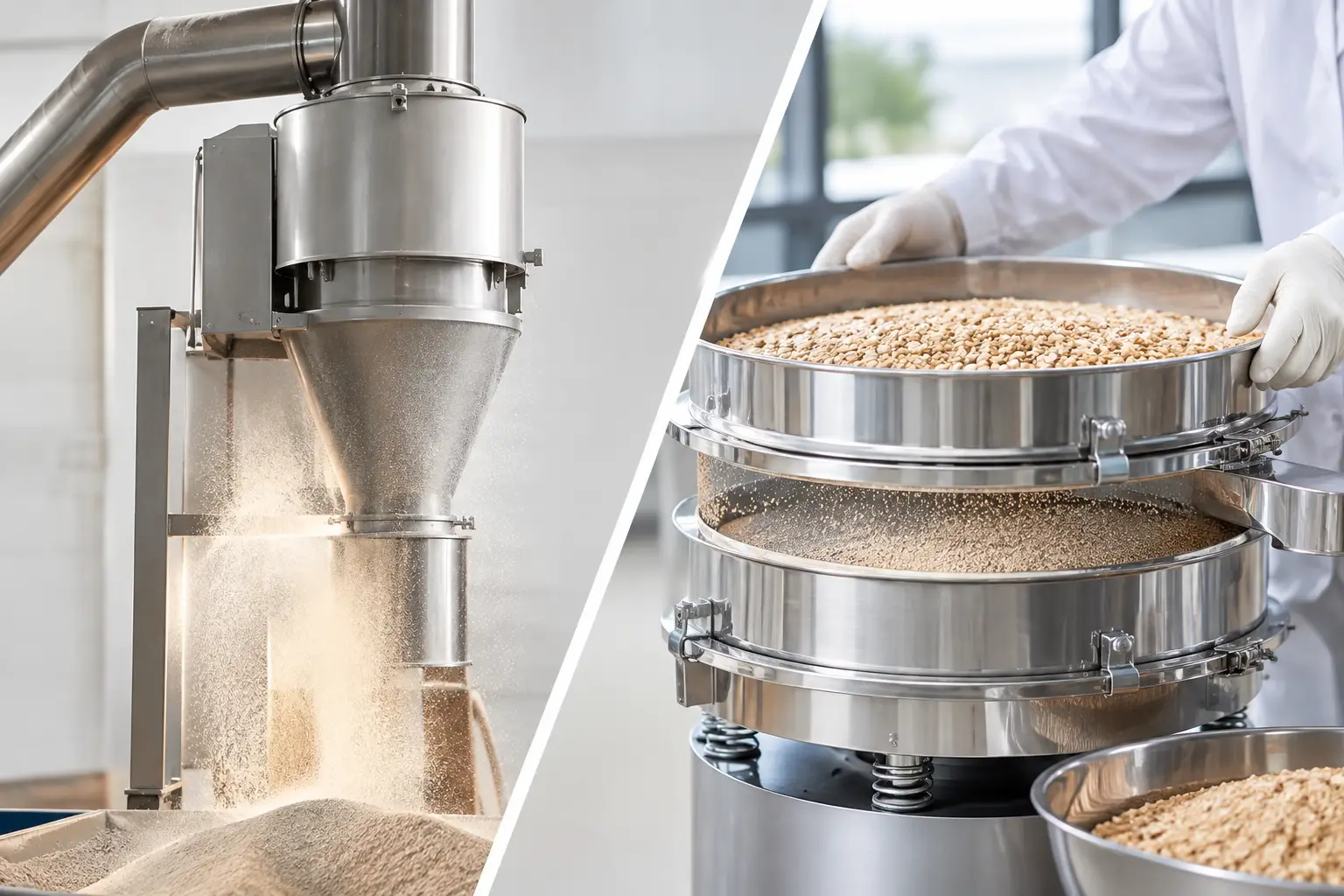
Not every production environment requires the same level of complexity, but the value of integration increases as process sensitivity rises. In powder handling, for example, upstream material consistency directly affects downstream blending, feeding accuracy, dust control, and packaging efficiency. In thermal processes, the relationship between feed conditions, temperature profile, moisture control, and discharge behavior can determine both product quality and energy performance.
In highly regulated sectors, the return is even more tangible. Validation expectations, traceability needs, hygienic design requirements, and documented control logic make loosely connected systems harder to manage. A coordinated line design helps standardize documentation, improve repeatability, and reduce the number of uncontrolled variables during qualification and production.
This is especially relevant in food, nutraceutical, pharmaceutical, specialty chemical, battery, and defense-related manufacturing, where process consistency is often inseparable from compliance, safety, and margin protection.
Key engineering considerations in integrated manufacturing line solutions
The strongest projects are built around system interactions, not isolated equipment specifications. Capacity is one example. Nameplate throughput only matters if every major process step can sustain it under real operating conditions, including startup, cleaning, product changeover, and normal variability in raw materials.
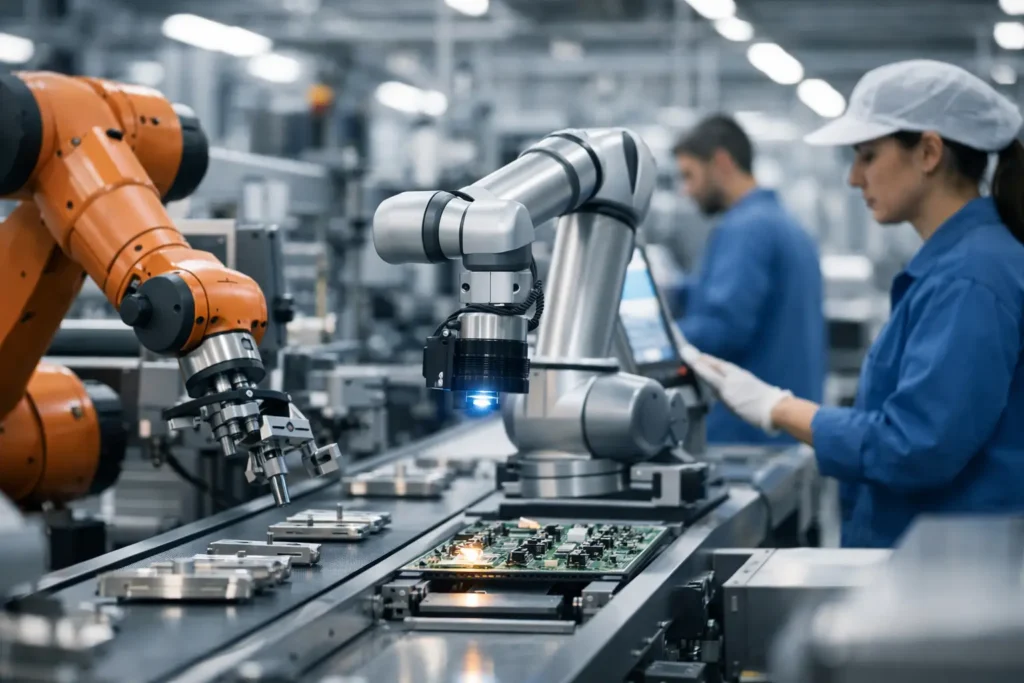
Controls integration is another major factor. A unified automation strategy allows line-wide visibility, coordinated alarms, interlocks, recipe management, and performance monitoring. Without that, operators may end up bridging process gaps manually, which increases inconsistency and training burden.
Material transfer also deserves close attention. Conveying method, elevation changes, dwell time, product fragility, segregation risk, and dust management all influence downstream stability. Many line performance issues that appear to be equipment problems are actually transfer problems.
Then there is maintainability. A line that meets output targets on paper but creates difficult access for cleaning, changeovers, or service will carry hidden operating costs. Integration should improve maintainability, not complicate it.
Integration is not the same as overengineering
There is a practical balance to strike. Some manufacturers hear “integrated solution” and assume it means buying a larger or more complex system than they need. That is not the objective. Good integration reduces unnecessary complexity by removing mismatched platforms, duplicated controls logic, and avoidable interface risk.
It also does not mean every line should be designed as a custom one-off. In many cases, the right answer is a modular architecture built from proven process technologies with standardized controls and engineered interfaces. That approach often improves reliability while preserving flexibility.
The correct level of integration depends on the product, the regulatory environment, the facility constraints, and the growth plan. A pilot-scale line has different priorities than a multi-shift commercial plant. A greenfield project has different constraints than a brownfield retrofit. The point is not to force a template. The point is to engineer the whole process intentionally.
How to evaluate a supplier for integrated manufacturing line solutions
The critical question is simple: who owns line performance when the system is running below expectation? If the answer is split across multiple vendors, the risk remains with the manufacturer.
A credible integration partner should be able to show more than equipment breadth. The real indicators are coordinated process engineering, centralized project management, common controls standards, installation planning, startup methodology, and long-term service capability. The supplier should understand how raw material behavior affects downstream processing, how automation logic influences operator performance, and how mechanical design decisions affect maintenance and sanitation.
It is also worth asking how future changes will be handled. Can the line accept added capacity, new packaging formats, new thermal requirements, or process data integration without major redesign? Scalability is often where weak integration becomes visible.
Proc-X Manufacturing Group addresses this challenge by engineering complete production systems under a unified platform rather than supplying disconnected equipment packages. That distinction matters when commissioning schedules are tight, process reliability is critical, and no one can afford ambiguity around system responsibility.
The business result is control
Integrated manufacturing line solutions are ultimately about control – control of process behavior, project execution, startup risk, service accountability, and long-term operating performance. They do not remove every production challenge, because manufacturing always involves variation, constraints, and trade-offs. But they do reduce the number of avoidable problems created by poor coordination.
For technical decision-makers, that is the real value. Better throughput matters. Faster commissioning matters. Lower support complexity matters. But the deeper advantage is knowing the line was engineered to function as one system from the beginning.
When production targets tighten and the cost of instability rises, the smartest investment is rarely another standalone machine. It is a line designed with full responsibility in mind.