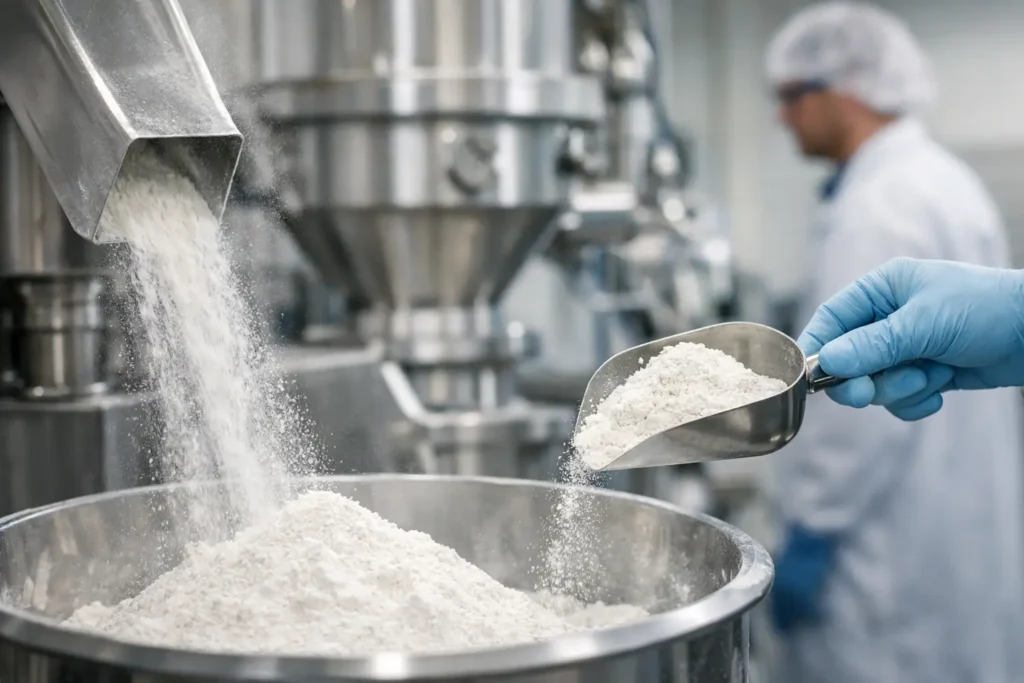
When a powder line misses spec, the problem often gets blamed on the mill. In practice, size reduction equipment for powders only performs as well as the process conditions around it. Feed variability, upstream handling, air classification, dust control, controls integration, and downstream conveying all influence final particle size, yield, and line stability.
That is why equipment selection should start with the process objective, not the machine category. A mill that works well for a food ingredient may be the wrong choice for a battery material, a cosmetic powder, or an API intermediate. The right decision depends on how the material behaves under stress, what particle size distribution is required, how much heat the product can tolerate, and how the equipment will operate within the full production system.
What size reduction equipment for powders must actually deliver
For most industrial manufacturers, particle size reduction is not an isolated step. It is a control point that affects mixing uniformity, dissolution rate, flowability, bulk density, compression behavior, reactivity, and packaging performance. In regulated or high-value applications, it can also affect validation, cleaning strategy, and lot release.
That changes the definition of success. A mill is not selected simply because it can make material smaller. It must do so consistently, at the required throughput, with acceptable fines generation, manageable temperature rise, and repeatable operating windows. If the process requires narrow distribution control, the equipment also needs to work in coordination with classification and recycle strategy.
This is where many projects go off track. Teams compare horsepower, advertised micron ranges, and purchase price, but they do not fully evaluate how the equipment responds to real feed conditions or how it integrates with feeding, conveying, dust collection, and controls. The result is often unstable production, difficult scale-up, or a line that requires constant operator intervention.
Matching powder characteristics to equipment type
Material behavior should drive the shortlist. Friable materials generally respond well to impact-based reduction, while tougher or more elastic materials may require compression, shear, or cutting mechanisms. Abrasive products introduce wear concerns that directly affect maintenance cost and particle size consistency over time. Heat-sensitive materials may need lower-energy methods, staged reduction, or temperature-controlled operation.
Moisture content matters as well. Powders that are free-flowing in a lab can bridge, smear, or agglomerate in production. If the product has a tendency to cake, a mill that performs well with dry, uniform feed may struggle under realistic plant conditions. Likewise, cohesive fine powders often require careful inlet conditioning and controlled discharge to avoid flooding, buildup, or variable residence time.
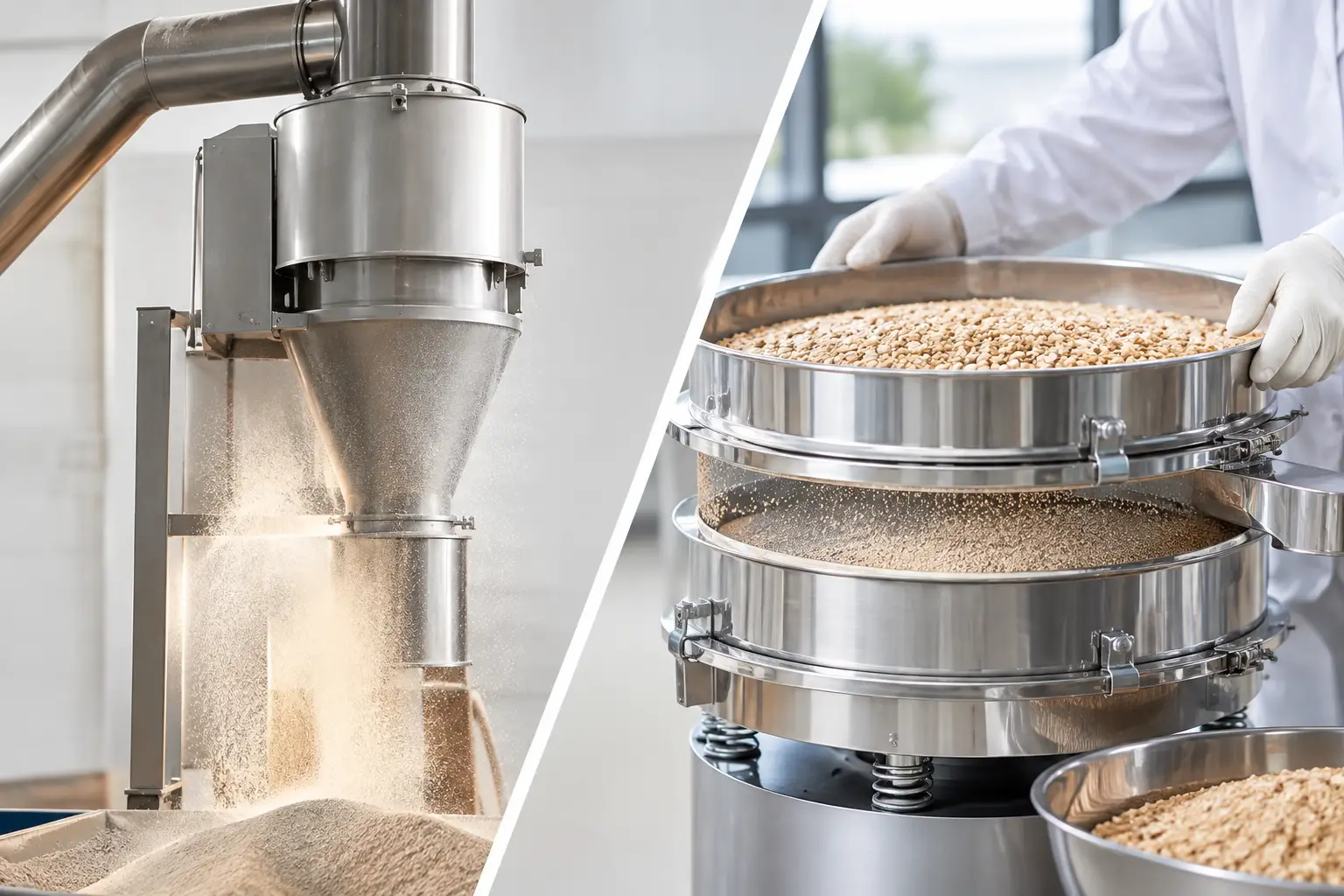
Common equipment categories include hammer mills, pin mills, air classifying mills, roller mills, cone mills, and jet mills. Each has a place, but none is universally best. Hammer and pin mills are often effective for broad industrial duties where throughput and general-purpose flexibility matter. Air classifying mills are better suited when tighter top-size control is needed. Cone mills are often used for deagglomeration and conditioning rather than aggressive reduction. Jet mills can produce very fine powders with limited heat input, but they demand higher utility cost and tighter process control.
The real engineering question is not which mill is most advanced. It is which technology best matches the material, target PSD, operating economics, and system requirements.
Particle size targets are only part of the specification
Many procurement specifications focus on a single target number, such as D50 or top size. That is rarely enough. A process engineer also needs to understand the acceptable spread of the distribution, the tolerance for ultrafines, and the impact of recycled oversize on capacity and product quality.
For example, two different mills may both achieve the same median particle size, yet one may generate far more fines. That difference can affect dust loading, blend segregation, bulk density, and even downstream feeder accuracy. In pharmaceutical, nutraceutical, specialty chemical, and advanced material applications, those secondary effects can be more significant than the headline PSD target.
Testing should therefore evaluate the full distribution, not just one number. It should also account for variation in feedstock. If the incoming material changes hardness, particle shape, or moisture from lot to lot, the selected system needs enough operating range to maintain control without sacrificing throughput or creating excessive rejects.
Throughput, turndown, and real production behavior
Nameplate capacity is one of the least reliable ways to compare size reduction equipment for powders. Throughput depends on material properties, feed size, required fineness, recirculation rate, screen selection, classifier settings, and how consistently the mill is fed. A machine that looks oversized on paper may still become the bottleneck if the process requires a narrow cut point or if the feed system cannot maintain a stable load.
Turndown is equally important. Many manufacturing lines do not run at one fixed rate. They start, stop, campaign, and scale. Equipment should be able to maintain product quality across the expected operating range, not just at ideal design capacity. Otherwise, production teams end up choosing between off-spec material and underutilized assets.
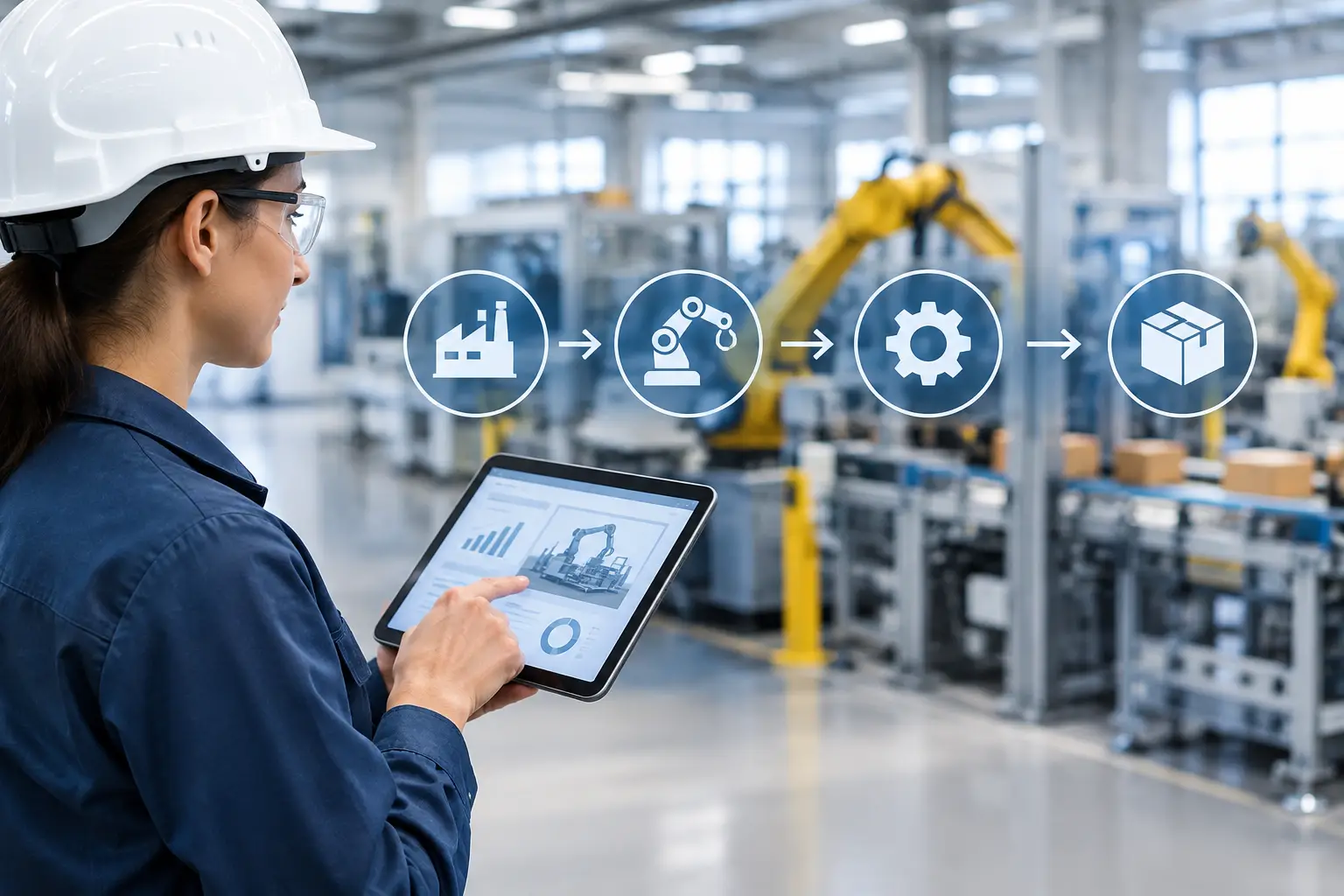
This is one reason integrated line design matters. Feeders, upstream storage, metal detection, aspiration, and downstream transfer all influence mill performance. A properly engineered reduction system includes controlled feeding, predictable residence time, and coordinated controls logic so the machine operates within a stable window.
Integration is where project risk is won or lost
A stand-alone mill can look cost-effective during sourcing and become expensive during commissioning. The typical problems are familiar: incompatible controls platforms, poorly matched conveying velocities, inadequate dust collection, difficult access for cleaning, and uncertain responsibility when performance falls short.
For powder processing lines, integration should be treated as a core selection criterion. The equipment must fit the plant layout, utilities, containment strategy, and sanitation requirements. It must also communicate effectively with upstream and downstream equipment so alarms, interlocks, and operating parameters support the process rather than disrupt it.
That is especially critical in regulated and mission-critical industries. If the size reduction step sits between batching, blending, thermal processing, and packaging, every interface matters. One accountable engineering standard across the line reduces the friction that often appears when separate vendors optimize for their own machine rather than for total system performance.
Containment, hygiene, and maintainability
For many powder applications, the technical discussion cannot stop at particle size. Dust exposure, cross-contamination risk, cleaning verification, and maintenance access are often equally important. In pharmaceutical, personal care, food, specialty chemical, and defense-related environments, these factors are part of the equipment decision, not afterthoughts.
A highly efficient mill that is difficult to clean or service can create recurring downtime and compliance risk. Wear components should be accessible. Internal geometry should support inspection and cleaning. Seals, screens, liners, and classifiers should be designed for repeatable changeout without excessive disassembly. If containment is required, the enclosure, discharge, and transfer points need to be engineered as part of one strategy.
Maintainability also affects long-term PSD control. As internal surfaces wear, performance shifts. Abrasive products can accelerate that drift. Equipment selection should therefore include wear materials, spare parts planning, and service intervals based on actual duty, not generic assumptions.
Why process development matters before capital approval
The fastest way to overspend on milling is to skip application testing. Bench and pilot trials provide data that brochures cannot. They show how the powder responds to different reduction methods, where heat rise becomes a problem, how much fines are generated, and whether the process can scale without changing the product.
Good testing should evaluate more than one machine type when the application is uncertain. It should also examine the surrounding conditions, including feeding, aspiration, classification, and discharge behavior. In many cases, the best result comes from a combination of technologies rather than a single aggressive reduction step.
This systems view is where experienced engineering partners add measurable value. A company like Proc-X is not simply matching a mill to a specification sheet. It is evaluating how the reduction step will function within a complete processing line, under one coordinated design standard, with one point of accountability for integration, performance, and lifecycle support.
Making the selection with fewer surprises later
The best equipment decision usually comes from narrowing the options around five realities: material behavior, required PSD control, production rate, plant integration, and lifecycle serviceability. If one of those is ignored, the project often pays for it later through rework, downtime, or chronic process instability.
For technical buyers, the practical takeaway is straightforward. Do not ask only which mill can hit the target size. Ask which system can do it repeatedly, within the constraints of your material, your operating environment, and your full line architecture. That is the difference between buying a machine and building a process that performs.
The right size reduction strategy should make the rest of the line easier to control, not harder. When that standard guides the selection, capital equipment decisions tend to age well.