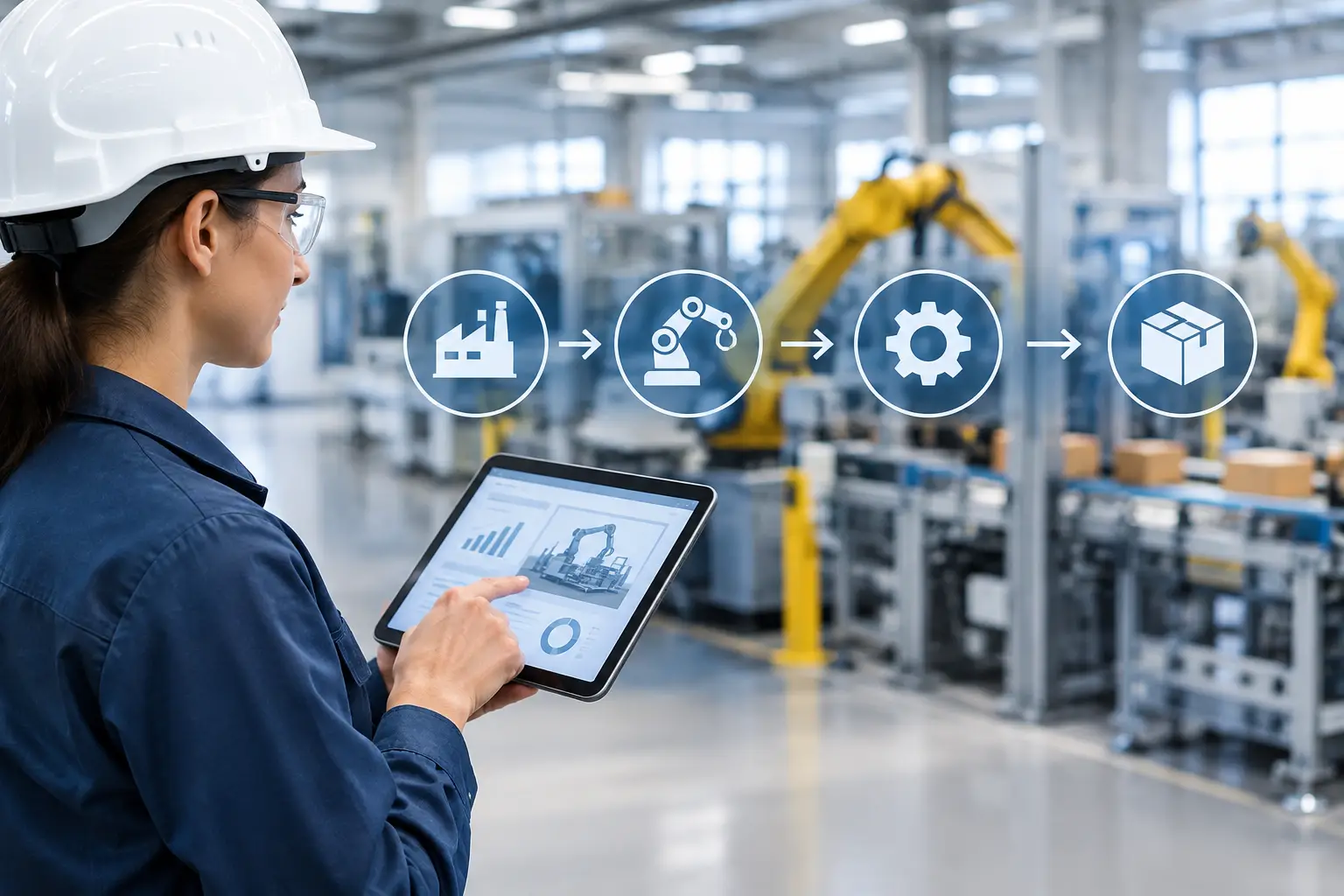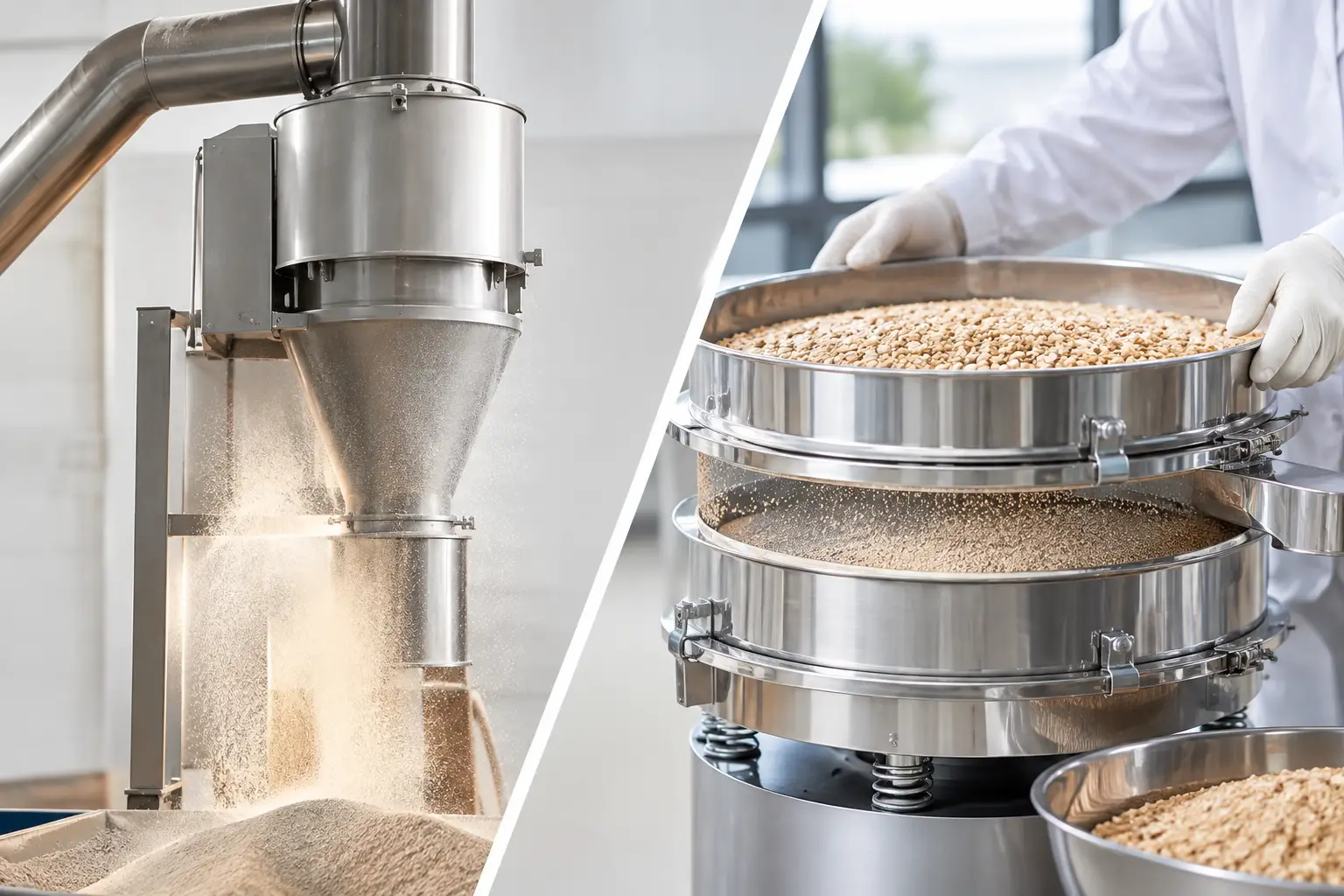
When a production line misses startup targets, the root cause is often not a single machine. It is the gap between machines – mismatched controls, inconsistent material flow, conflicting utility requirements, or unclear ownership when performance falls short. That is why many manufacturers now evaluate a single source processing line supplier not as a purchasing convenience, but as a risk-control strategy.
In complex manufacturing environments, the line performs as a system whether it was purchased that way or not. Raw material handling affects feed consistency. Milling influences blend uniformity. Extrusion changes downstream thermal behavior. Packaging performance depends on upstream stability. If those elements are sourced from separate vendors with different design assumptions, the burden of integration shifts to the manufacturer. In regulated and high-throughput operations, that burden is expensive.
What a single source processing line supplier actually provides
A true single source processing line supplier is not simply a company that resells multiple machines under one quote. The distinction matters. A qualified partner engineers the production line as an integrated process platform with coordinated mechanical design, automation strategy, controls architecture, installation planning, and performance responsibility.
That means the supplier is thinking across the full line from the beginning. Equipment selection is made in context of throughput targets, product characteristics, sanitation requirements, plant constraints, maintenance access, operator workflow, and future expansion. Instead of asking whether each machine can run on its own, the better question is whether the complete line will perform predictably under real operating conditions.
This model changes accountability in a meaningful way. When one partner owns the system design and integration, there is less room for the familiar handoff problem where each vendor claims its equipment is operating correctly while the total line still underperforms.
Why multi-vendor lines create hidden operational risk
Many facilities have learned that buying best-of-breed equipment from multiple OEMs does not automatically produce a best-of-breed line. On paper, the approach can look flexible. In practice, it often introduces integration points that no single supplier fully owns.
Controls are a common example. One OEM may design around a preferred PLC platform, another around different communication protocols, and a third around proprietary interfaces that limit data visibility. All three machines may run, but startup becomes longer, troubleshooting becomes slower, and future modifications become harder than expected.
Mechanical integration creates similar problems. Equipment footprints may fit the layout, yet transfer elevations, access clearances, cleanability requirements, and utility connections still conflict. Those issues often appear late – during installation or commissioning – when schedule pressure is highest and correction costs rise quickly.
Service is another weak point. Separate warranties, separate spare parts channels, and separate field service teams may be manageable for stand-alone assets. They become far less efficient when a line upset affects upstream and downstream systems at the same time. In those moments, manufacturers do not need opinions from multiple vendors. They need one accountable team.
Where the single-source model delivers the most value
The value of a single-source approach grows with line complexity, process sensitivity, and production risk. Highly regulated sectors see this clearly because system inconsistency can affect not only throughput, but validation, product quality, and documentation requirements.
In food, nutraceutical, and pharmaceutical applications, for example, process continuity and sanitation design must be aligned across the entire line. A weak interface between conveying, feeding, mixing, thermal processing, and packaging can compromise yield or create cleaning inefficiencies that reduce available production time.
In chemicals, advanced materials, and battery manufacturing, the challenge is often less about sanitation and more about containment, material behavior, dust control, thermal sensitivity, and repeatable process conditions. Here, line integration is directly tied to safety, product uniformity, and uptime. A fragmented supplier structure can leave critical design assumptions unresolved until after installation.
This is where a company like Proc-X fits the market requirement well – not as a machine seller, but as an engineering partner responsible for the complete processing ecosystem.
How to evaluate a single source processing line supplier
The most useful evaluation criterion is not catalog breadth. It is system responsibility. Many suppliers can provide multiple equipment categories. Fewer can demonstrate that they engineer those technologies to operate as a coordinated production line with one standard for performance and support.
Start by examining engineering depth. Ask how the supplier handles process development, line balancing, utility loading, controls integration, and plant layout. If those disciplines are treated as separate afterthoughts, the project will likely inherit avoidable risk. If they are integrated from the front end, the supplier is operating at the system level.
Then assess automation strategy. A single source processing line supplier should be able to explain how equipment controls, recipe management, alarms, historian functions, and operator interfaces are unified across the line. This is not just a convenience feature. It affects training, troubleshooting, data integrity, and long-term scalability.
Project execution is equally important. Look for centralized project management with clear ownership of schedules, submittals, FAT coordination, installation support, SAT planning, and commissioning. The less fragmented the execution model, the fewer opportunities there are for schedule drift and scope confusion.
Finally, evaluate lifecycle support. The right supplier should be structured to support spare parts, field service, process optimization, retrofits, and production changes long after startup. A line is not successful because it runs on day one. It is successful because it continues to meet throughput, quality, and reliability targets over time.
Trade-offs and where it depends
A single-source model is not automatically the right answer in every situation. If a facility is replacing one stand-alone asset inside an otherwise stable line, a specialized OEM may be sufficient. Some manufacturers also have in-house engineering teams with the bandwidth and expertise to integrate multiple vendors effectively.
But those scenarios depend on internal capability. If the plant team is expected to bridge controls differences, resolve mechanical conflicts, coordinate acceptance testing, and manage startup across separate suppliers, then the apparent purchasing flexibility can become a hidden cost center.
There is also a misconception that a single-source approach reduces technical choice. In weaker supplier models, that can be true. In stronger ones, it is not. The best single-source partners do not force-fit equipment into applications. They engineer around process requirements and make disciplined technology choices within a unified standard. The difference is that those choices are made with full-line performance in view.
The accountability advantage that matters after startup
The strongest case for using a single source processing line supplier usually becomes obvious after commissioning. Once production begins, issues rarely stay isolated. A feed inconsistency affects mixing. Mixing variability affects extrusion or thermal treatment. Packaging interruptions force upstream slowdowns. System performance has to be managed holistically.
When one supplier understands and supports the complete line, troubleshooting is faster and corrective action is more practical. The service team can evaluate the interaction between equipment rather than treating symptoms in isolation. Upgrades can be planned with awareness of how they affect throughput, controls logic, and downstream capacity. Expansion projects can build on an existing engineering standard instead of starting over with a patchwork design.
That continuity matters for manufacturers planning growth. A line designed under one engineering framework is easier to replicate, validate, and scale across sites than a line assembled from unrelated platforms.
One manufacturer, one engineering standard, one point of accountability
For industrial manufacturers, the core question is straightforward: who owns line performance when production targets, quality requirements, and project deadlines are all on the line? If the answer is spread across multiple vendors, internal teams will carry the integration burden. If the answer is one accountable partner, risk becomes more manageable.
A capable single source processing line supplier brings more than procurement simplification. It brings unified design intent, coordinated execution, and clearer responsibility across the life of the system. In demanding manufacturing environments, that is not an added benefit. It is often the difference between a line that merely operates and a line that performs as engineered.
The smartest capital projects usually start with a simple discipline: design the process as a complete system, and choose a partner prepared to stand behind the whole line.